
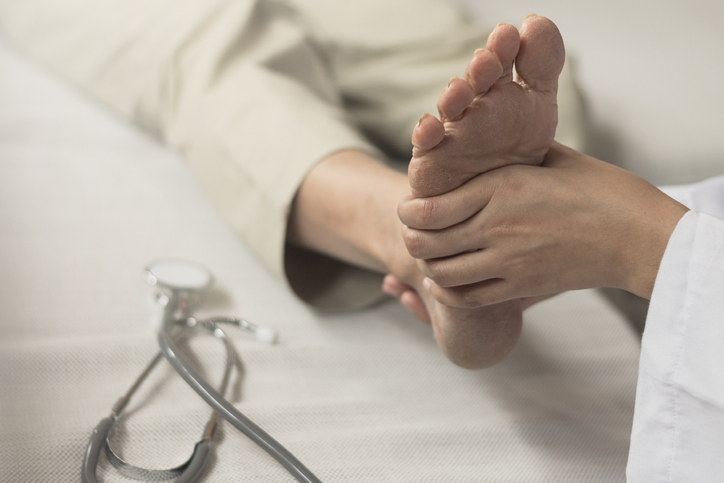
Peripheral neuropathy is a condition that affects millions of people across the United States and around the world. It occurs when the nerves outside the brain and spinal cord are damaged, disrupting the communication between your brain and body. The result can be numbness, tingling, burning sensations, and chronic pain, most often in the hands and feet. For many, neuropathy is more than a minor inconvenience—it can impact mobility, independence, and quality of life.
Traditional treatments often focus on managing symptoms rather than addressing the root cause of the condition. Medications like pain relievers or anti-seizure drugs may mask discomfort but do little to repair nerve damage. Surgery is often invasive and carries risks.
Broadview Health Center in Broadview Heights, Ohio, takes a different approach. Their neuropathy care program emphasizes natural, non-invasive treatments aimed at reducing pain, restoring sensation, and improving overall nerve health. By addressing the underlying causes of neuropathy, patients experience long-term relief and improved functionality.
This comprehensive guide will explore:
What neuropathy is and its causes
Symptoms to watch for
Broadview Health Center’s approach to neuropathy care
Benefits of their treatment methods
FAQs about neuropathy and care options
How to take action for lasting relief
Neuropathy, also known as peripheral neuropathy, is a condition that occurs when the peripheral nerves—the network of nerves connecting the brain and spinal cord to the rest of the body—become damaged. These nerves are essential for transmitting signals that control sensory functions, such as the ability to feel touch, temperature, and pain, as well as motor functions, including movement, balance, and coordination. When these nerves are impaired, it can lead to a variety of uncomfortable or even debilitating symptoms, such as tingling, numbness, burning sensations, weakness, or loss of coordination. Understanding the function of peripheral nerves is crucial for effective treatment and management of neuropathy.
Peripheral neuropathy can result from a variety of causes, making accurate diagnosis essential for effective treatment. Depending on which type of nerve is affected, patients may experience:
Sensory nerve damage: Tingling, numbness, burning sensations, or hypersensitivity
Motor nerve damage: Weakness, muscle cramps, or difficulty walking
Autonomic nerve damage: Dizziness, digestive issues, abnormal sweating, or heart rate irregularities
Early intervention is crucial. Left untreated, neuropathy can lead to permanent nerve damage, chronic pain, and decreased mobility.
Peripheral neuropathy can develop from a variety of underlying factors, and identifying these causes is essential for creating an effective treatment plan. Common contributors include chronic conditions like diabetes, vitamin deficiencies, autoimmune disorders, infections, exposure to toxins, certain medications, and physical injuries or nerve compression. Each individual may experience a unique combination of these factors, which can influence the severity and type of symptoms, such as numbness, tingling, burning sensations, or muscle weakness. By thoroughly understanding the root causes, healthcare providers can tailor therapies that target nerve repair, improve circulation, and address the specific needs of each patient, leading to better outcomes and long-term relief.
1. Diabetes
Diabetes is one of the most common causes of neuropathy. High blood sugar levels over time can damage nerves, especially in the feet and hands. Diabetic neuropathy can present as burning pain, numbness, or tingling sensations, and it increases the risk of injuries, infections, and mobility problems.
2. Vitamin Deficiencies
Certain vitamins, particularly B vitamins like B12, are essential for healthy nerve function. Deficiencies can lead to nerve damage, resulting in tingling, numbness, or neuropathic pain. Malnutrition or absorption issues, such as those caused by digestive disorders, can also contribute to vitamin-related neuropathy.
3. Autoimmune Disorders
Autoimmune conditions like rheumatoid arthritis, lupus, and Guillain-Barré syndrome can trigger the immune system to mistakenly attack the body’s nerves. This immune response often results in inflammation, pain, tingling, numbness, and other functional impairments, which can significantly affect mobility, coordination, and overall quality of life if left untreated.
4. Infections
Viral and bacterial infections, such as shingles, Lyme disease, and HIV, can damage nerves and lead to neuropathic symptoms like pain, tingling, or numbness. Prompt diagnosis and treatment of these infections are crucial, as early intervention can help prevent permanent nerve damage and reduce the severity of long-term complications.
5. Toxins and Medications
Certain medications, especially chemotherapy drugs, and exposure to heavy metals or industrial chemicals can damage nerves. Identifying and reducing exposure to these toxins is an important step in neuropathy care.
6. Injury or Compression
Trauma, repetitive stress, or conditions like carpal tunnel syndrome can compress nerves, leading to pain, tingling, or numbness. Correcting the underlying injury or adjusting daily habits can improve symptoms.
Symptoms vary widely depending on the nerves affected. Key signs include:
Numbness or tingling in the hands or feet
Burning or stabbing pain that may worsen at night
Sensitivity to touch or inability to feel temperature changes
Muscle weakness or cramps
Loss of balance or coordination
Digestive problems, abnormal sweating, or dizziness in cases involving autonomic nerves
Recognizing symptoms early allows patients to seek care promptly, improving the chances of restoring nerve function and preventing further damage.
Broadview Health Center provides a holistic and natural approach to neuropathy care, focusing on treatments that promote healing and long-term nerve health. Unlike conventional methods that primarily mask pain or manage symptoms, their programs aim to identify and address the root causes of nerve damage. Through comprehensive assessments, personalized therapy plans, and ongoing monitoring, patients receive targeted care designed to restore sensation, improve mobility, and enhance overall quality of life. By combining natural therapies, nutritional guidance, and lifestyle support, Broadview Health Center empowers patients to take control of their health and achieve lasting relief from the challenges of peripheral neuropathy.
Step 1: Comprehensive Assessment
Every patient begins with a thorough evaluation, which may include:
Blood tests to assess blood sugar, vitamin levels, and inflammatory markers
Nerve function studies
Detailed physical and neurological exams
This comprehensive assessment ensures that the treatment plan is customized to the patient’s specific condition.
Step 2: Targeted, Non-Invasive Therapies
Broadview Health Center utilizes multiple evidence-based therapies to support nerve repair and improve overall health. Treatment plans may include:
Nutritional support and supplementation to promote nerve regeneration
Physical therapy to strengthen muscles, improve coordination, and restore mobility
Circulation-enhancing treatments to improve blood flow and oxygen delivery to nerves
Lifestyle guidance, including exercise routines, diet modifications, and stress reduction techniques
Each patient receives a personalized plan designed to maximize recovery and minimize discomfort.
Step 3: Ongoing Monitoring and Adjustments
Progress is tracked closely to ensure that patients are benefiting from their treatment plans. Therapies are adjusted as needed, based on improvements in symptoms, mobility, and nerve function. Many patients report:
Reduced numbness and tingling
Improved walking and balance
Decreased pain and sensitivity
Step 4: Patient Education
Education is a core component of neuropathy care at Broadview Health Center. Patients are empowered to manage their condition effectively, with guidance on preventing further nerve damage and promoting long-term wellness.
Patients who choose Broadview Health Center for neuropathy care enjoy a wide range of benefits that go beyond temporary symptom relief. The center’s personalized, holistic approach focuses on addressing the root causes of nerve damage, rather than simply masking pain. Treatments are natural and non-invasive, promoting nerve repair, improving circulation, and restoring mobility. Patients often experience reduced numbness and tingling, enhanced strength and balance, and overall improvement in quality of life. With ongoing support, education, and customized therapy plans, Broadview Health Center empowers individuals to manage their neuropathy effectively, regain independence, and achieve long-term relief.
Non-invasive, drug-free treatments that minimize side effects
Customized care plans tailored to each patient’s needs
Improved nerve function, mobility, and overall quality of life
Reduced dependence on medications for pain management
Long-term relief by addressing the root causes of neuropathy rather than just masking symptoms
Their natural, holistic approach ensures patients regain not just function, but confidence and independence.
Many patients at Broadview Health Center have shared inspiring recovery stories, highlighting the effectiveness of their natural, non-invasive neuropathy treatments. From regaining sensation in their hands and feet to reducing chronic pain and improving mobility, these real-life experiences demonstrate how personalized care can restore independence, confidence, and overall quality of life.
John, 62, had suffered from diabetic neuropathy for years. After a personalized treatment plan focusing on diet, supplements, and physical therapy, he regained sensation in his feet and can now walk long distances without pain.
Maria, 55, experienced severe tingling and numbness in her hands due to vitamin deficiencies. Targeted supplementation and nerve-stimulating therapies restored her hand function, allowing her to return to work and hobbies she had stopped for years.
Tom, 68, developed neuropathy after chemotherapy. Broadview’s non-invasive therapies improved circulation and reduced pain, helping him enjoy daily activities again.
These examples demonstrate that natural, targeted neuropathy care can lead to life-changing improvements.
Q1: Can neuropathy be reversed?
A: While some nerve damage may be permanent, many patients experience significant improvement with early intervention and targeted therapies. Broadview Health Center’s natural treatments aim to repair nerves and restore function.
Q2: How long does treatment take?
A: Duration varies depending on the severity and underlying causes. Many patients notice improvement within a few weeks, while a complete recovery plan may take several months.
Q3: Is treatment painful?
A: No. Broadview Health Center’s therapies are non-invasive, focusing on comfort while promoting healing.
Q4: Do I need a referral?
A: No referral is required. You can schedule a consultation directly with Broadview Health Center.
Q5: Will insurance cover treatment?
A: Coverage depends on your insurance provider. The Broadview Health Center team can assist in navigating insurance options and payment plans.
Q6: Can neuropathy affect other parts of the body?
A: Yes. While neuropathy most commonly affects hands and feet, it can also impact the arms, legs, and autonomic functions like digestion, heart rate, and sweating.
Q7: Are lifestyle changes necessary for recovery?
A: Absolutely. Exercise, nutrition, and stress management play a crucial role in nerve repair and long-term neuropathy management. Broadview Health Center provides guidance to make these changes effective and sustainable.
While professional care is crucial for managing neuropathy, patients can take additional steps to support their recovery. Maintaining a healthy diet, staying physically active, practicing good foot care, managing blood sugar, avoiding toxins, and reducing stress all work together with treatment to improve nerve function and promote long-term healing.
Maintain a balanced diet rich in B vitamins, antioxidants, and omega-3 fatty acids
Stay physically active with gentle exercises to improve circulation and strength
Avoid alcohol and toxins that can worsen nerve damage
Monitor blood sugar levels if diabetic
Practice good foot care to prevent injuries and infections
Manage stress through meditation, yoga, or deep-breathing exercises
These lifestyle adjustments complement professional treatment and support long-term nerve health.
Peripheral neuropathy can significantly affect your daily life, making even simple tasks like walking, standing, or handling objects uncomfortable and challenging. Tingling, numbness, burning sensations, and chronic pain can limit mobility, reduce independence, and impact overall well-being. Fortunately, this condition doesn’t have to control your life. Broadview Health Center, located in Broadview Heights, Ohio, specializes in natural, non-invasive treatments that focus on reducing pain, restoring sensation, and improving overall mobility. By taking a personalized and holistic approach, the center addresses the root causes of neuropathy rather than just masking symptoms. Patients benefit from targeted therapies, nutritional support, lifestyle guidance, and ongoing monitoring to promote nerve health and functional recovery. Whether you’re experiencing numbness, tingling, or persistent pain, Broadview Health Center offers a comprehensive solution designed to enhance quality of life, restore independence, and help you regain control over your health naturally and effectively.
Don’t let neuropathy limit your life. Take the first step toward lasting relief and improved mobility by scheduling a consultation at Broadview Health Center today.
Contact Information:
Address: 1100 West Royalton Road, Suite H, Broadview Heights, OH 44147
Phone: (440) 230-1113
Website: https://broadviewhealthcenter.com
Your path to pain-free living and restored nerve function starts here.